
Plant & factory maintenance
We look after plant and machinery for factories and sites across the Manawatū: fixing what's broken, catching what's about to break, and building the guards and walkways that keep everyone safe around the gear.
Three ways to run maintenance
Most clients use a mix of all three. What matters is that the person answering the phone already knows your plant.
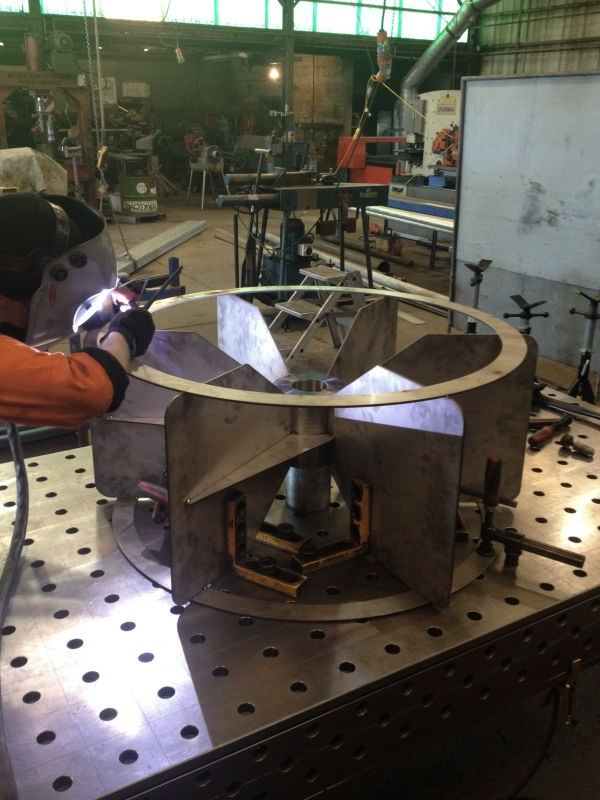
Something's broken and the line is stopped. We attend breakdowns and get you turning again, with the workshop and machine shop behind us for parts that can't be bought off a shelf.
We deal with wear and known issues on a schedule you set with us, before they turn into a 2am phone call. Planned work costs less than panicked work, every time.
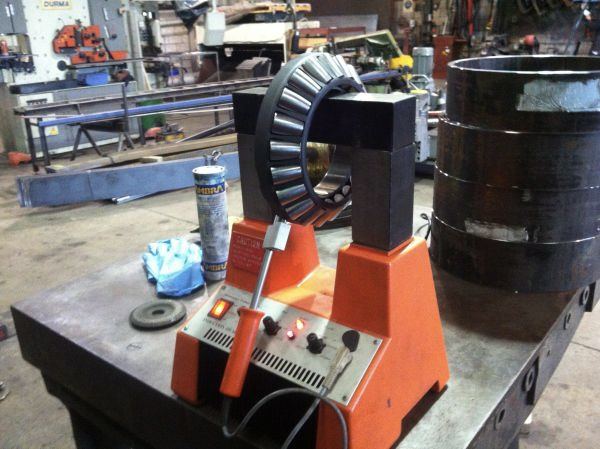
We monitor key components, such as bearings, so repairs and replacements happen at scheduled times you choose, not at the worst possible moment mid-season.
Maintenance agreements
Breakdowns get an engineer any hour on 027 433 3045. Put your plant on a maintenance agreement and you get priority response when it does ring, plus the scheduled checks that mean it rings less often. It's the difference between a bad night and a bad week.

Not on an agreement? Ring the workshop on (06) 357 1103 during the day, or the breakdown line after hours, and we'll attend as fast as we can.
Ask us about a maintenance agreement →Safety fabrication
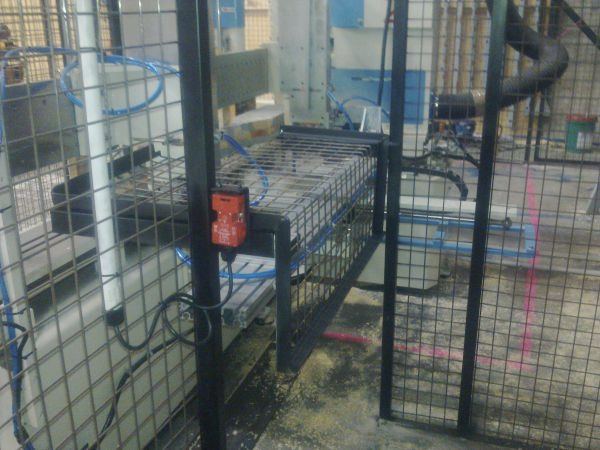
We fabricate and install the safety equipment that keeps your site compliant and your people out of harm's way. All our staff carry Site Safe Passports and keep their safety training current, so we work in your plant the way we'd want contractors working in ours.
When a processing line is down, every hour shows up on the bottom line. Here's the shape of how we look after the factories that rely on us.
A critical drive starts failing mid-season. Bearings run hot, and a full line stop is days away, right when the plant can least afford one.
We attend after hours so the line keeps running through the day shift, machine replacement components in our own machine shop rather than waiting on freight, fit them, and set up scheduled bearing checks so the next failure gets caught early.
Days of unplanned downtime avoided, one drive running sweetly, and a predictive maintenance plan that keeps the line turning.
Talk to us
Tell us about it. A short walk around your plant with one of our engineers costs nothing and usually finds something worth knowing.